
Overview
When the power goes out, commercial refrigeration suddenly becomes a race against rising temperatures. In this blog post, Leading Edge Mechanical Inc’s commercial refrigeration experts explain what happens to refrigeration equipment during an outage, how businesses can protect temperature-sensitive inventory, what to watch for when power returns, and how preparation can make an unexpected blackout far less disruptive.
Highlights
- Refrigerated space warming
- Protect inventory during outages
- Prepare for power outages
- Check equipment after power returns
- Post-outage refrigeration damage
Introduction
Imagine this: the lights flicker. The kitchen goes quiet. Registers shut down, equipment stops humming, and suddenly the walk-in cooler full of inventory feels a lot more important than it did 30 seconds ago.
A power outage can bring an entire business to a standstill, but commercial refrigeration creates an extra layer of urgency. Restaurants, grocery stores, convenience stores, cafeterias, and other businesses depend on steady cooling to protect products around the clock. When electricity disappears, knowing what to do next can help you protect inventory, reduce unnecessary strain on equipment, and make the eventual restart much smoother.
How Fast Does Refrigerated Space Start Warming Up?
When the power cuts out, commercial refrigeration doesn’t warm up instantly. Insulation, sealed doors, and the chilled products inside help hold onto the cold, but that buffer only lasts so long.
Heat starts creeping in with every door opening and every passing minute. As products, shelves, and interior surfaces warm, the system has no way to pull that heat back out until power returns.
What Can Speed Up Warming?
Cold air doesn’t disappear all at once, but it can be lost faster than you might expect. A warm kitchen, a loose door seal, or a few too many trips into the cooler can all chip away at the temperature buffer your refrigeration system is trying to hold onto.
A few factors can speed up that warming, such as:
- Frequent door openings
- Warm surrounding temperatures
- Poor door seals or insulation
- A lightly stocked unit
- Higher starting temperatures
- Longer outages
The goal is to protect the cold you still have. The fewer chances heat has to creep in, the longer your refrigerated space stays within a safer range.
How Can You Protect Inventory When the Power Goes Out?
When refrigeration stops, curiosity is your enemy. Constantly opening the cooler to check whether everything still feels cold releases the very air you’re trying to protect.
Keep refrigerator and freezer doors closed as much as possible. If employees need access, organize what must be removed before opening the door and complete the task quickly rather than making repeated trips.
It also helps to know what you’re protecting. A commercial cooler can contain anything from produce and prepared foods to dairy products, beverages, medicine, flowers, or specialty ingredients. Some products tolerate temperature fluctuations better than others, so businesses should have a plan for prioritizing their most sensitive inventory.
Should You Move Products During an Outage?
Sometimes moving inventory makes sense, but rushing products from one location to another can create more problems without a clear plan.
Before relocating anything, determine whether another cooler, freezer, refrigerated vehicle, or backup facility can maintain appropriate conditions. Moving products into a space that is only slightly cooler accomplishes very little and may expose inventory to warm air along the way.
If backup refrigeration is available, prioritize the products most vulnerable to temperature changes rather than trying to relocate everything at once.
How Can You Prepare Commercial Refrigeration for a Power Outage?
The easiest power outage to manage is the one you’ve already planned for.
A simple refrigeration emergency plan can eliminate much of the frantic decision-making when the building suddenly goes dark. Employees should know who is responsible for checking equipment, where temperature records are kept, which products need the closest attention, and who to contact if refrigeration doesn’t restart properly.
Preparation may include:
- Keeping accurate refrigerator and freezer temperature records
- Identifying your most temperature-sensitive inventory
- Creating an emergency contact list
- Establishing rules for opening refrigeration doors
- Knowing where electrical panels and equipment disconnects are located
- Testing backup power equipment when applicable
- Keeping temperature-monitoring equipment ready
- Developing a plan for relocating critical inventory
Even a basic plan gives your team something invaluable during an outage: a starting point.
Could Backup Power Help?
For businesses that depend heavily on refrigeration, backup power can provide another layer of protection.
However, commercial refrigeration systems can place significant demands on electrical equipment, particularly during startup. Backup power should be properly sized and configured for the equipment it is expected to support.
A generator that can power a few lights and computers isn’t necessarily prepared to handle compressors, condenser fans, evaporator fans, controls, and multiple refrigeration systems starting at once. Backup power planning should account for the equipment’s actual electrical requirements rather than simply assuming a generator will handle everything.
What Should You Check When the Power Comes Back?
When the lights return, it’s tempting to declare the emergency over. For your refrigeration system, however, this is when the next phase begins.
Listen and look before returning to business as usual. Compressors, fans, controls, displays, and alarms should begin returning to normal operation, but different components may not restart simultaneously.
Check for signs such as:
- Units that remain unusually quiet
- Temperature displays that don’t return
- Warning lights or alarms
- Breakers that have tripped
- Unusual buzzing or clicking
- Refrigeration that runs but doesn’t begin cooling
- Fans that fail to operate
- Rapid or repeated cycling
Give the equipment a chance to recover, but keep watching it. After sitting without power, a refrigeration system may need to work hard to pull temperatures back down.
Avoid the Post-Outage Door Rush
There’s another challenge when the power returns: everyone wants access at once.
Employees may immediately begin opening coolers to check products, restock work areas, or resume service. That sudden rush can dump additional warm air into refrigeration equipment precisely when it’s trying to recover.
A little patience helps. Keep unnecessary door openings to a minimum while temperatures stabilize, and continue monitoring the equipment rather than assuming that running means recovered.
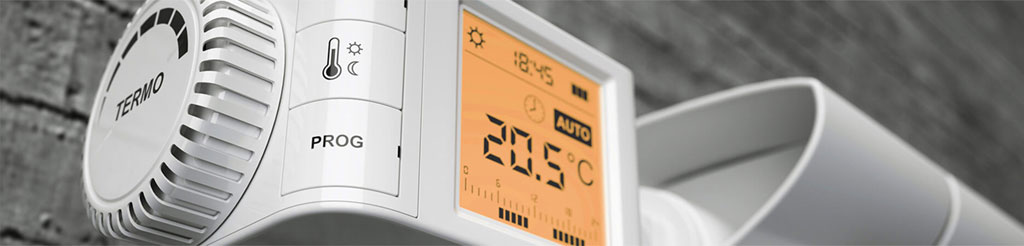
Can Temperature Monitoring Make Outages Easier To Manage?
A thermometer tells you what the cooler feels like right now. Temperature monitoring can tell you the story of what happened while no one was watching.
That can be especially valuable during overnight outages, brief power interruptions, or situations where staff only discover the problem after the fact.
Depending on the system, monitoring can help you track:
- Temperature changes over time
- How long the unit stayed outside its normal range
- How quickly temperatures recovered
- Whether an outage happened after hours
- When alerts or alarms were triggered
Instead of opening the door, touching products, and hoping everything stayed cold enough, you have a clearer record of what the refrigeration system is doing.
Remote alerts can add another layer of awareness by letting someone know when temperatures begin moving in the wrong direction. When every degree matters, having that extra set of digital eyes can make a stressful outage much easier to manage.
Can a Power Outage Damage Commercial Refrigeration?
A power outage doesn’t always leave visible damage behind, but it can put refrigeration equipment through a rough restart. Compressors, fans, controls, and electrical components all have to come back online, and that sudden recovery can expose weaknesses that were already starting to develop.
That’s why the first few minutes after power returns are worth paying attention to. If the system sounds different, cools more slowly, or behaves strangely, don’t assume everything is back to normal just because the lights are on.
A Quick Food Safety Reminder
Cold food can look and smell perfectly normal even after it has been left at an unsafe temperature for too long, so don’t rely on appearance alone. For food operations, temperature records and reliable thermometers should guide your decisions.
FDA guidance recommends keeping refrigerators at 40 degrees Fahrenheit or below and discarding perishable foods that have been above 40 degrees Fahrenheit for two hours or more. If there’s any doubt about whether food stayed within a safe range, it’s better to follow applicable food-safety guidance than take a chance.
When Should You Call a Refrigeration Technician?
Sometimes your refrigeration system makes it pretty clear that the blackout left more than a temporary headache behind. If the lights are back on but the cooler is still struggling, making new noises, or throwing alarms, that’s your cue to stop watching and start investigating.
Watch for warning signs such as:
- Persistent alarms
- Repeated breaker trips
- Unusual buzzing or clicking
- Fans that fail to restart
- Temperatures that stay too high
- Rapid or irregular cycling
If those problems persist, a refrigeration technician can determine whether the system simply needs more recovery time or whether the outage exposed an issue requiring repair.
Keep Your Cool When the Power Cuts Out
A power outage can turn commercial refrigeration into a high-stakes situation fast, but a little preparation goes a long way. Closed doors, reliable temperature monitoring, a clear inventory plan, and a careful restart can help protect both your products and your equipment when the unexpected happens.
If your refrigeration system doesn’t bounce back the way it should, Leading Edge Mechanical Inc can help you figure out what’s wrong and get things moving in the right direction. Call (218) 237-5125 to speak with our team.