
Overview
Smart technology is transforming how commercial refrigeration systems are monitored, maintained, and optimized. In this blog, the HVAC experts at Leading Edge Mechanical Inc explain how automation, sensors, and remote access are redefining energy use, efficiency, and system longevity. You’ll learn what smart refrigeration looks like in action, how it benefits your operation, and when it’s time to consider an upgrade.
Highlights
- What is smart refrigeration technology?
- Smart refrigeration components
- Benefits of smart refrigeration
- Retrofitting existing refrigeration systems
- When to upgrade to smart technology
- The value of installation by an HVAC contractor
Introduction
Commercial refrigeration issues often start small, until they cause inventory loss, high energy bills, or system failure. Smart technology helps you prevent those problems with real-time monitoring, automated controls, and predictive maintenance. This blog explains how smart refrigeration works, why it matters, and how it can save your business time and money.
What Is Smart Refrigeration Technology?
Smart refrigeration refers to commercial refrigeration systems enhanced by automation, connectivity, and digital controls. These technologies help monitor and optimize performance in real time, reducing the need for manual oversight and allowing for proactive maintenance.
Unlike traditional systems, which often rely on mechanical timers and static settings, smart refrigeration systems adjust based on live data. This means they can automatically adapt to temperature fluctuations, door openings, defrost cycles, and equipment wear, ensuring more consistent performance and lower operating costs.
Examples of Smart Refrigeration Technology
Smart refrigeration systems often include:
- Wi-Fi or Ethernet connectivity
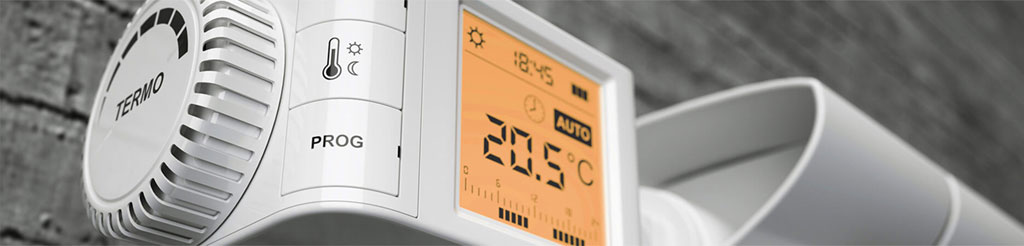
- Digital thermostats and controllers
- Remote monitoring platforms
- Predictive maintenance software
- Smart defrost control
- Energy usage tracking
These features work together to give you full visibility into your system’s operation and actionable data that helps you optimize it.
What Components Make a Refrigeration System “Smart”?
While every smart refrigeration setup is different, most systems include several core components that work together to enable intelligent monitoring and automated control. These technologies collect performance data, analyze trends, and make adjustments that improve efficiency and reliability. Understanding these elements helps clarify how smart systems move beyond basic cooling and into proactive system management.
Sensors and Data Collectors
Sensors are the backbone of any smart refrigeration system because they provide the real-time data needed for intelligent decision-making. Instead of relying on fixed settings or manual readings, smart systems continuously monitor key performance indicators that influence efficiency and stability.
Smart systems rely on sensors to track:
- Temperature and humidity: Ensures precise environmental control and prevents spoilage caused by fluctuations or excess moisture
- Compressor pressure: Detects irregular load conditions that may indicate refrigerant imbalance or mechanical strain
- Coil performance: Monitors evaporator and condenser efficiency to prevent airflow restrictions and frost buildup
- Door activity: Tracks how often doors open and close, helping the system adjust cooling output during peak access times
- Defrost cycles: Evaluates frost accumulation and cycle effectiveness to prevent unnecessary energy use
These sensors gather data continuously and feed it into the system’s digital controller, allowing the refrigeration unit to adapt to real-time conditions rather than operating on static schedules.
Remote Access and Cloud Integration
Connectivity is what transforms collected data into usable insight. Through cloud-based platforms, users and service technicians can securely access system information from a phone, tablet, or desktop computer. This level of visibility reduces guesswork and allows for faster, more informed decisions.
With remote access, operators benefit from:
- Real-time alerts for system faults: Immediate notifications when temperatures drift, pressures spike, or components underperform
- Detailed performance dashboards: Visual reporting tools that display trends, runtime data, and energy usage over time
- Access from anywhere, anytime: The ability to monitor and adjust settings without being physically present at the facility
This connectivity minimizes downtime and allows many issues to be diagnosed and, in some cases, corrected before they escalate into major failures.
Automation and AI-Driven Logic
Automation is what separates a connected system from a truly smart one. Modern refrigeration systems use advanced algorithms or machine learning to analyze performance patterns and make intelligent adjustments automatically. Instead of waiting for manual intervention, the system can optimize itself based on real-world operating data.
For example, the system might detect abnormal compressor cycling that suggests developing mechanical stress and generate a maintenance alert before failure occurs. It may also adjust cooling output during low-demand periods or optimize defrost timing based on actual coil conditions rather than preset intervals.
This adaptive logic reduces unnecessary runtime, lowers energy consumption, and extends the lifespan of critical components.
What Are the Benefits of Smart Refrigeration?
Investing in smart refrigeration technology delivers measurable advantages for businesses that depend on consistent temperatures and reliable performance. From lowering operational costs to protecting valuable inventory, smart systems provide greater control over daily operations. The result is a more efficient, dependable refrigeration setup that supports long-term business stability.
Energy Efficiency and Lower Utility Costs
One of the biggest advantages of smart refrigeration is reduced energy consumption through automated performance adjustments. Instead of running on fixed schedules, smart systems optimize compressor activity, defrost cycles, and cooling output in response to real-time conditions. This targeted operation minimizes wasted electricity, lowers utility bills, and reduces unnecessary strain on equipment.
Fewer Breakdowns and Downtime
Smart refrigeration systems monitor performance continuously and alert you when irregularities occur. Early detection of issues like refrigerant imbalance, airflow restrictions, or compressor stress allows technicians to address problems before they lead to failure. This proactive approach reduces emergency repairs, limits downtime, and keeps your operation running smoothly.
Improved Inventory Safety
Maintaining consistent temperatures is critical for food safety, regulatory compliance, and product quality. Smart systems track temperature fluctuations in real time and send alerts if readings move outside safe ranges. With faster response times and tighter control, you can protect your inventory and avoid costly spoilage.
Extended Equipment Lifespan
When refrigeration equipment operates efficiently and avoids excessive strain, it naturally lasts longer. Smart defrost control, balanced compressor cycles, and precise temperature regulation reduce wear on internal components. Over time, this improved performance extends the lifespan of your refrigeration investment and delays costly replacements.
Can You Retrofit Smart Tech on Existing Refrigeration Systems?
In many cases, you don’t need to replace your entire refrigeration system to benefit from smart technology. Retrofit solutions allow you to upgrade existing equipment with digital controllers, advanced sensors, and remote monitoring capabilities. This approach improves performance and efficiency without the higher cost of a full system replacement.
Common Retrofit Options
Many retrofits focus on improving control and visibility within your current system. Smart defrost controls can reduce unnecessary cycles and ice buildup, while Wi-Fi-enabled thermostats provide more precise temperature management. External monitoring modules and data loggers add real-time alerts and compliance reporting, helping extend equipment life and improve operational oversight.
Customizable Smart Add-Ons for Existing Systems
One of the biggest advantages of retrofitting smart technology is flexibility. You can choose upgrades that match your operation’s specific needs. Whether you want enhanced monitoring, tighter temperature control, automated alerts, or compliance tracking, smart add-ons can be tailored to your facility and budget. This modular approach allows you to build a more intelligent refrigeration system without committing to a full replacement upfront.
When Should You Upgrade to a Smart System?
If your commercial refrigeration system is more than 10 years old or frequently requires service calls, it may be time to consider a smart upgrade. Aging components and outdated controls often reduce efficiency long before a full breakdown occurs.
Here are clear indicators your current system may be costing you more than it should:
- Rising energy bills without increased demand: Your system may be running longer cycles or operating inefficiently due to outdated controls or declining performance.
- Frequent temperature fluctuations: Inconsistent cooling can signal failing sensors, poor calibration, or limited control precision, all of which smart systems address more effectively.
- Manual adjustments by staff: If employees regularly tweak thermostats or reset controls to maintain performance, your system likely lacks responsive automation.
- Repeated breakdowns or emergency repairs: Multiple service calls within a year often indicate systemic inefficiencies that smarter monitoring and diagnostics could prevent.
- Outdated mechanical thermostats or analog controls: Older control systems lack real-time feedback and adaptive logic, leading to unnecessary runtime and higher operating costs.
Even if your equipment hasn’t failed outright, retrofitting with smart controllers, sensors, and remote monitoring tools can improve efficiency, increase reliability, and help prevent future issues before they disrupt your operation.
Hiring an HVAC Contractor for Upgrades
Smart refrigeration upgrades work best when they’re guided by a clear strategy, not guesswork. An experienced HVAC contractor takes a close look at how your current system is performing, pinpoints inefficiencies, and recommends practical smart solutions that fit your facility and budget.
When everything is installed and set up correctly, your refrigeration system simply works smarter. You’re not constantly reacting to problems or wondering if temperatures are holding steady. Instead, you have better visibility, fewer surprises, and a system that runs more smoothly day to day.
Upgrade to Smart Commercial Refrigeration Today
Smart refrigeration is quickly becoming the standard for businesses that rely on cold storage. From energy savings and improved safety to fewer disruptions and longer equipment life, the benefits are hard to ignore.
Ready to explore how smart refrigeration can benefit your business? Contact Leading Edge Mechanical Inc at (218) 237-5125 to retrofit your current setup or upgrade to a fully connected, modern system.